Tennis

3 min. reading
Published on
24/12/2025
Tennis is enjoying growing popularity in France, where it ranks among the most widely practiced sports. Accessible to all ages and skill levels, this racket sport appeals to both competitive players and casual enthusiasts. Beyond the pleasure of the game, the benefits of tennis for health are numerous and scientifically proven. When practiced regularly, it helps improve physical condition, strengthens mental resilience, and promotes overall well-being.
Discover why this sport deserves a place in your fitness routine.
Tennis, a complete sport to strengthen your body
Playing tennis engages your entire body. Every rally, every movement, and every shot puts your body into intense and varied motion. This comprehensive physical activity simultaneously mobilizes multiple muscle groups and activates your cardiovascular system.
Remarkable improvement in cardiovascular endurance
On the court, your heart and lungs work continuously. Sudden accelerations, rapid changes of direction, and varying intensity phases turn every match into a true endurance workout. Your cardiovascular system gradually strengthens, your breathing capacity improves, and your resting heart rate decreases.
According to several studies, playing tennis at least three times a week reduces the risk of developing cardiovascular disease by nearly 50%. Your blood vessels become more flexible, your blood pressure naturally regulates, and your blood circulation becomes more efficient. Tennis is among the sports that contribute most to protecting heart health.
Effective full-body muscle strengthening
Tennis engages all the muscles in your body. Your legs drive lateral movements and sprints to the net. Your thighs and calves tone with every push-off. Your back, shoulders, and arms actively participate in hitting the ball, while your abdominal muscles stabilize all movements during torso rotations.
This complete and repeated muscle engagement develops strength, power, and muscle tone. Over time, your body becomes leaner, firmer, and more explosive. Tennis techniques—from serves to forehands and backhands— harmoniously sculpt your figure while increasing muscle mass.
Stronger joints and bones
Contrary to popular belief, tennis strengthens your musculoskeletal system. Direction changes, sudden stops, and repeated impacts stimulate bone formation and improve bone density. This regular activity helps prevent osteoporosis and maintains skeletal strength, especially beneficial as you age.
Your joints also gain mobility and resilience thanks to the wide and varied movements required by the game. Tennis promotes joint flexibility and helps preserve range of motion, allowing you to stay mobile and active longer.
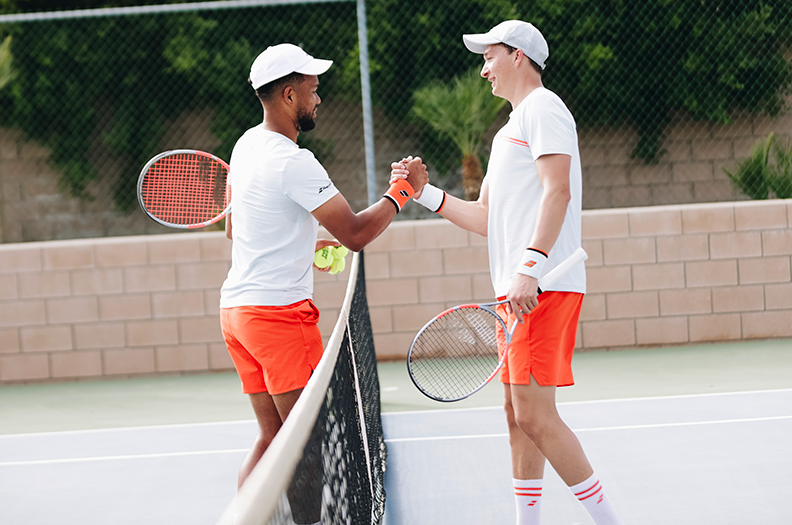
The mental health benefits of tennis
Tennis is not limited to physical benefits. This sport intensely engages cognitive abilities and has a remarkably positive influence on psychological balance. Every match becomes a true workout for both your brain and body.
Concentration and coordination: a winning combination
On the court, your concentration reaches peak levels. You must track the ball’s trajectory, anticipate your opponent’s shots, adjust your positioning, and choose the best tactical response in a fraction of a second. This constant mental demand sharpens reflexes, improves reaction time, and develops anticipation skills.
Hand-eye coordination becomes increasingly precise, spatial perception sharpens, and game reading improves. These cognitive skills naturally transfer into daily life, enhancing multitasking abilities and quick decision-making.
Stress reduction and mental well-being
Playing tennis releases endorphins, the happiness hormones that create an immediate sense of well-being. Physical exertion helps release accumulated tension and significantly reduces stress and anxiety levels.
Tennis also builds mental strength by teaching patience, perseverance, and frustration management. Every lost point becomes a learning opportunity, every match a lesson in resilience. This psychological dimension boosts self-confidence and improves long-term mood.
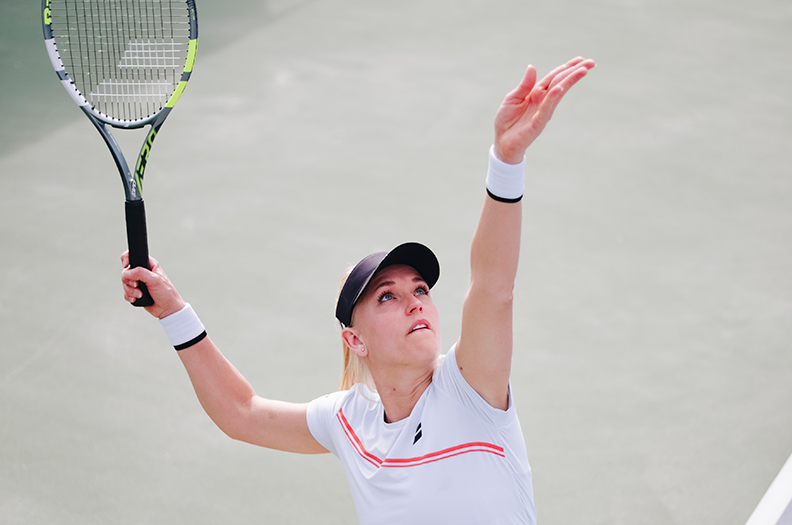
Tennis to extend your life expectancy
Scientific research confirms the exceptional impact of tennis on longevity. This sport ranks among the physical activities that most significantly increase healthy life expectancy.
An ally against cardiovascular diseases
Various studies reveal that regular tennis practice reduces the risk of strokes, heart attacks, and high blood pressure. Your cardiovascular system becomes stronger and more efficient, providing long-lasting protection against heart conditions.
A beneficial activity at any age
Tennis adapts to every stage of life.
● Children develop motor skills, coordination, and social abilities from an early age.
● Adults maintain physical fitness and vitality.
● Seniors find tennis a stimulating activity that preserves independence, maintains muscle mass, and slows aging.
Adapted programs, such as Tennis Santé developed by the French Tennis Federation, even allow people with chronic conditions to practice safely.
Precautions and advice for playing tennis safely
To fully enjoy the benefits of tennis, adopt a few good practices.
Stay hydrated before, during, and after sessions. Always warm up to prepare muscles and joints. Choose appropriate equipment, especially a racket suited to your level and body type. Vary playing surfaces according to your physical condition: clay courts are gentler on joints than hard courts. Listen to your body and allow sufficient recovery time between matches.
If you are returning to sport after a long break or suffer from joint issues, consult a healthcare professional who can guide you toward an adapted practice. In case of persistent pain, do not hesitate to take a break and seek medical advice.
Tennis proves to be much more than a simple leisure activity. Accessible and adaptable, it naturally fits into a holistic approach to health and sustainable well-being. So, ready to lace up your shoes and grab your racket to discover all these benefits for yourself?
You may also like
At what age should you start playing tennis? The complete guide for parents
4 min. reading
Published on
01/12/2025